










__2026-01-08_111828.png)






__2026-01-08_112314.png)










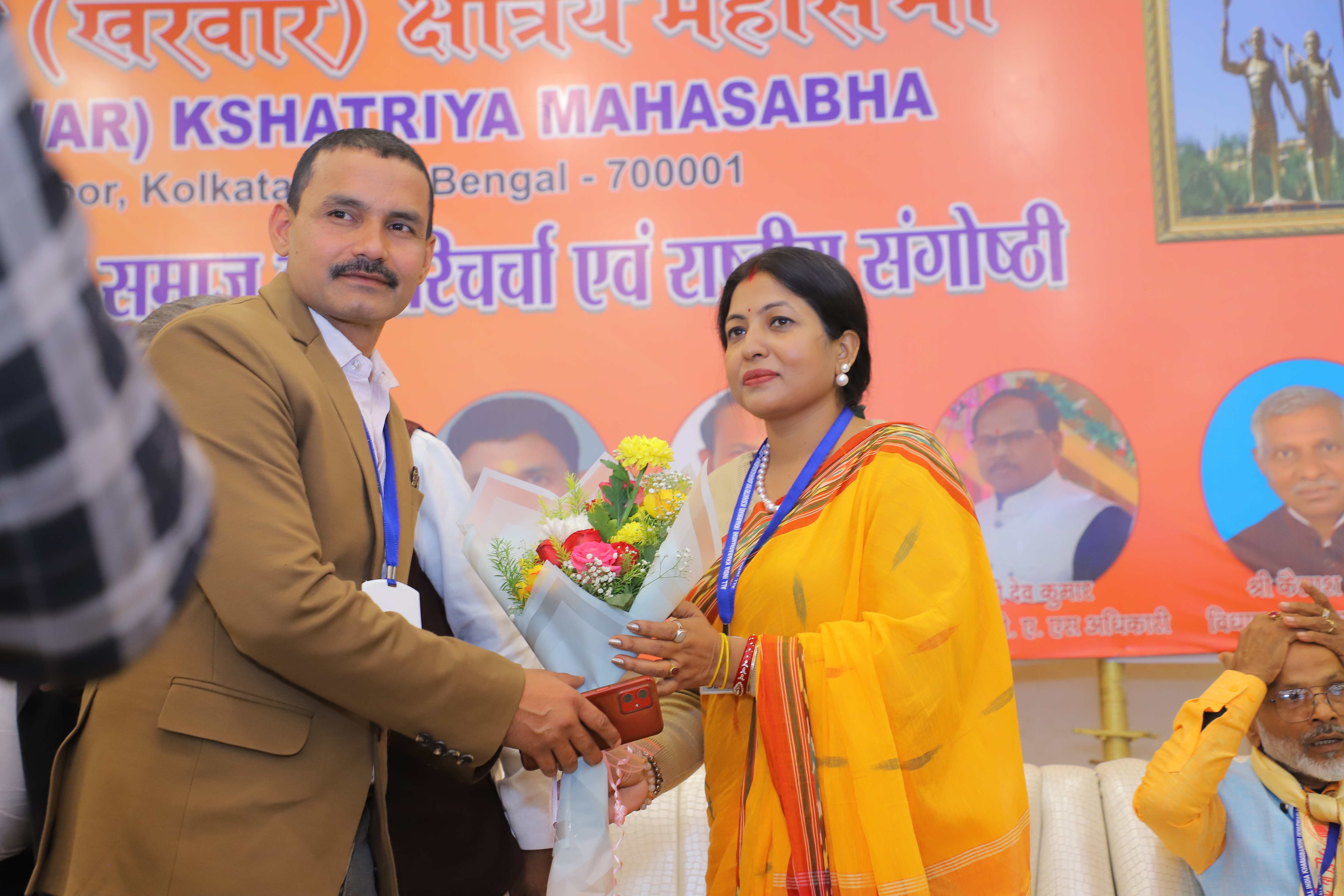
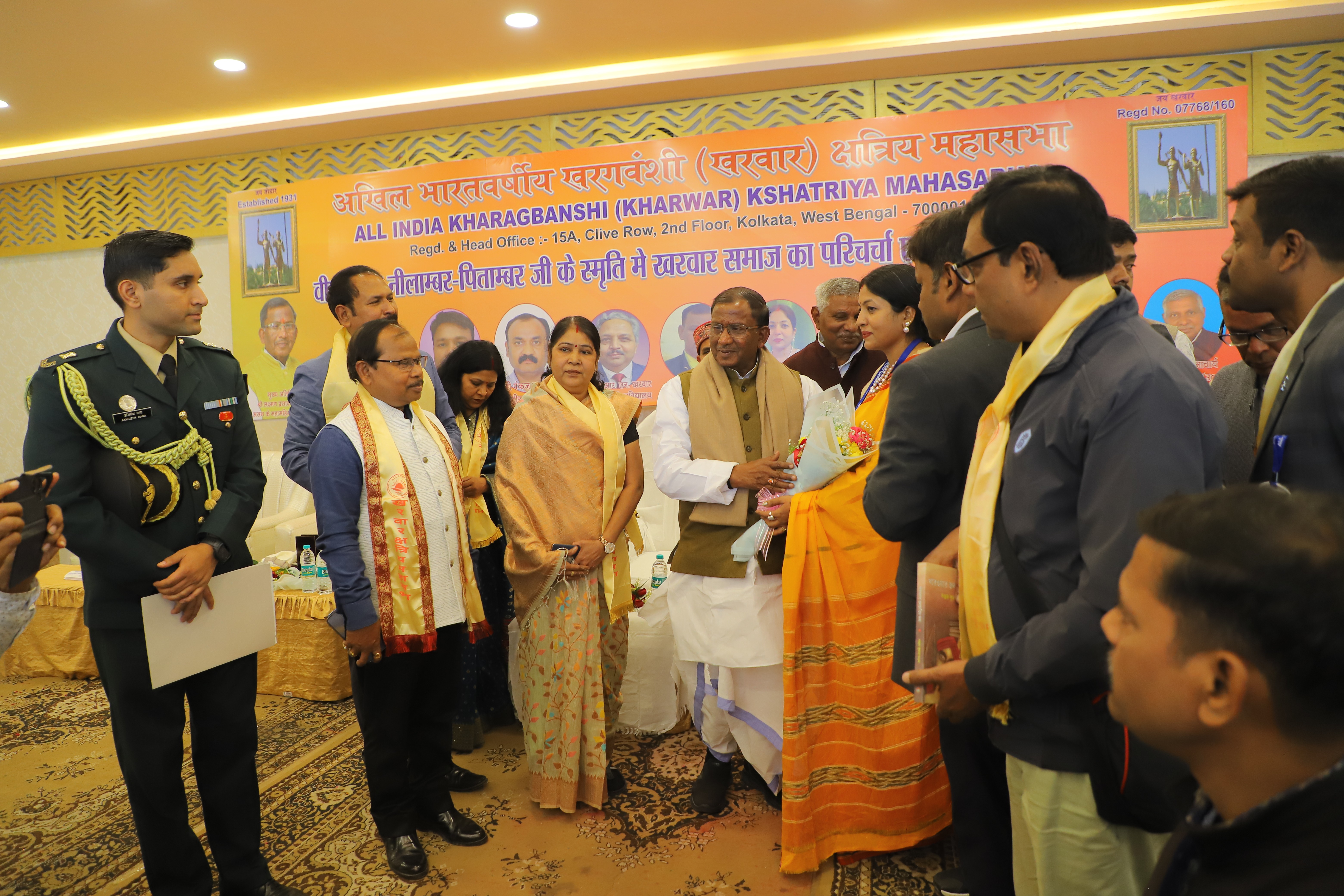

A Legacy That Unites Us
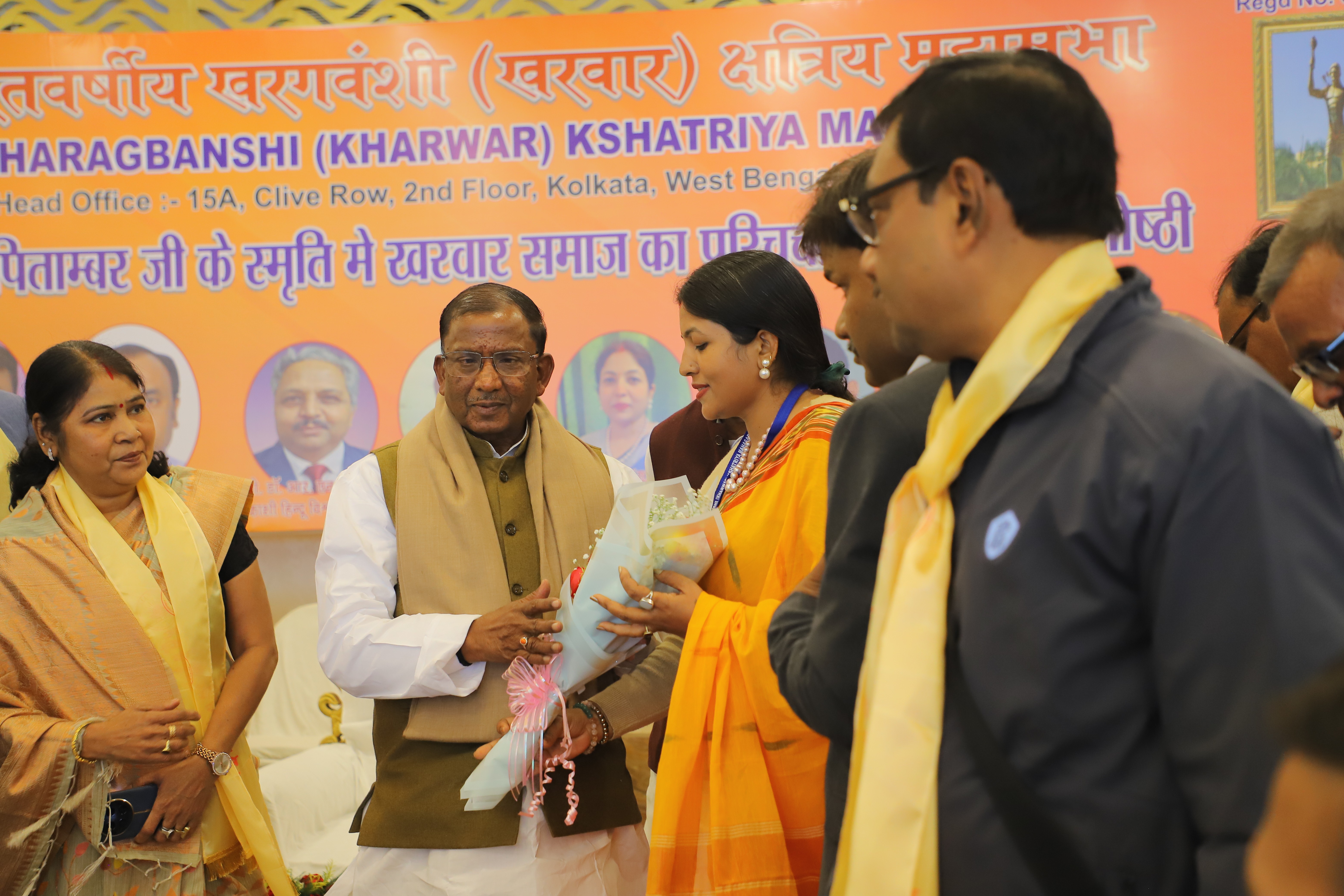
At the root of any organization’s birth lies the seed of revolution. Without this foundation, the birth of an organization is impossible. Approximately 94 years ago, the Kharwar community in India was extremely scattered, although the advances in science had begun to bridge the distances of time and space. Therefore, despite the community’s wealth, the question of how to organize an all-India organization remained. As the times demanded, this sentiment also emerged within the Kharwar community, and with the community’s support, the Mahasabha blossomed into a massive banyan tree. To protect the community’s core principles, customs, and cultures, the “All-India Khadagvanshi (Kharwar) Kshatriya Mahasabha” was born. The Mahasabha was founded in the year 1931 AD (Vikram Samvat 1988).
The first President was Babu Bhagwati Prasad, a teacher from Calcutta, Vice-President was Babu Shivanand, and General Secretary was Babu Zahuri Ram.
The history of India is much older than the history of the world. India has been a land of Kshatriyas and learned Brahmins. Its civilization and culture are unparalleled in human civilization. Even those coming from outside India had to adopt Indian civilization and culture. Only then could they succeed in their mission.
The Kharwar Kshatriyas also have a very old and glorious history, written in golden pages. It is a different matter that the tradition of writing titles was rare in that period. Therefore, many people claimed those dynasties as their own and occupied their lands and palaces, like the Mughals.
This dynasty produced kings, emperors, and brave men who shaped India's history with their own hands. They enhanced India's honour and pride.
But sadly, over time, due to treachery and defeat at the hands of enemies, the old, glorious tradition gradually faded away, and the descendants of the Kharwar Kshatriya kings took refuge in the forests and became a kind of tribe. The Kharwar Kshatriya, Chandravanshi Kshatriya, Chandela, and Solanki Kshatriya clans used to be a single Kshatriya clan. Due to lack of coordination, other ruthless and powerful people, carrying on their old rivalries, began exploiting the Kshatriyas.
The Kharwar Kshatriyas, lacking unity, disintegrated.
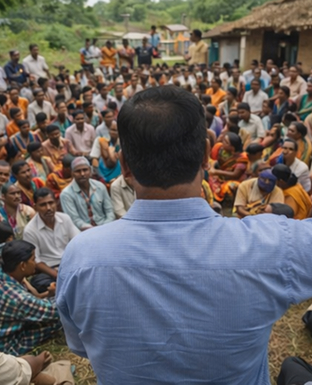
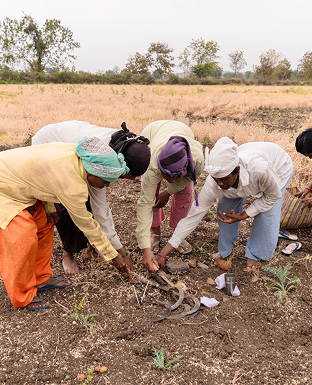
A passionate group of coordinators, volunteers, and community leaders working together to bring positive change and support every individual in need.
In the structure of Indian society, caste has not merely been an identity—it has functioned as a social unit that, for centuries, determined one’s opportunities, rights, and responsibilities. History clearly shows that communities which embraced education and developed social awareness progressed, while those deprived of education faced backwardness, ignorance, and exploitation. Therefore, it is an undisputed truth that education and social upliftment are the fundamental pillars of holistic development for any community.
Education is not just a path to employment; it nurtures intellect, confidence, awareness of rights, and a sense of duty. A knowledgeable community understands its history, culture, and constitutional rights. When a community becomes educated, it-
Great reformers have always considered education to be the most powerful weapon for social transformation. Dr. B.R. Ambedkar’s words—
“Education is like a lioness’s milk; whoever drinks it roars.” remain just as relevant today.
Social upliftment does not refer only to economic progress—it encompasses social unity, moral values, equality, and fraternity. When a community collectively works for the upliftment of its weaker sections—women, youth, the poor, and the deprived—it builds a strong and empowered society.
Key dimensions of social upliftment include:
Social upliftment does not refer only to economic progress—it encompasses social unity, moral values, equality, and fraternity. When a community collectively works for the upliftment of its weaker sections—women, youth, the poor, and the deprived—it builds a strong and empowered society.
Key dimensions of social upliftment include:
Education alone or organization alone is not enough. Education empowers individuals; organization strengthens the community. When educated individuals unite for the welfare of society, the community becomes not just socially strong but plays a significant role in nation-building.
This has been the very purpose behind the establishment of various community institutions and Mahasabhas—to:
In today’s competitive era, the existence of any community can be secured only through knowledge, technology, and social awareness. Every family must prioritize education, and every institution must adopt social upliftment as its core mission.
It can therefore be stated-
Education gives direction, and social upliftment gives strength to a community.
A community that embraces education and organization stands the test of time and builds a bright future for generations to come.